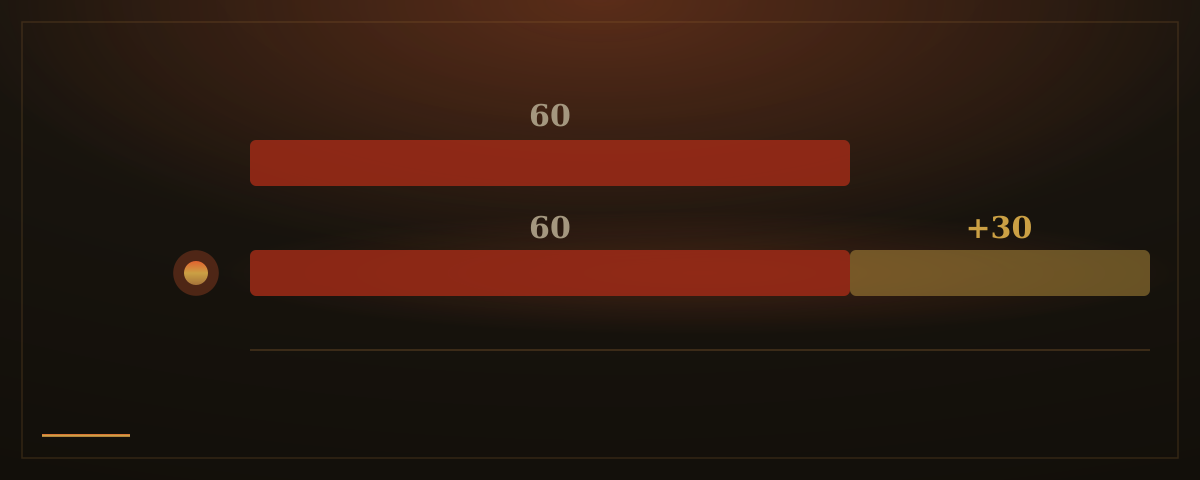
In 1993 the psychologist Daniel Kahneman and his colleagues asked people to do something unpleasant twice. In one round they held a hand in painfully cold water for sixty seconds. In the other they did the same sixty seconds, and then thirty more while the water was warmed very slightly: still cold, just a little less so. Then came the question: which round would you rather repeat? Most people chose the longer one. More discomfort overall, but a gentler ending, and the memory of it was kinder.
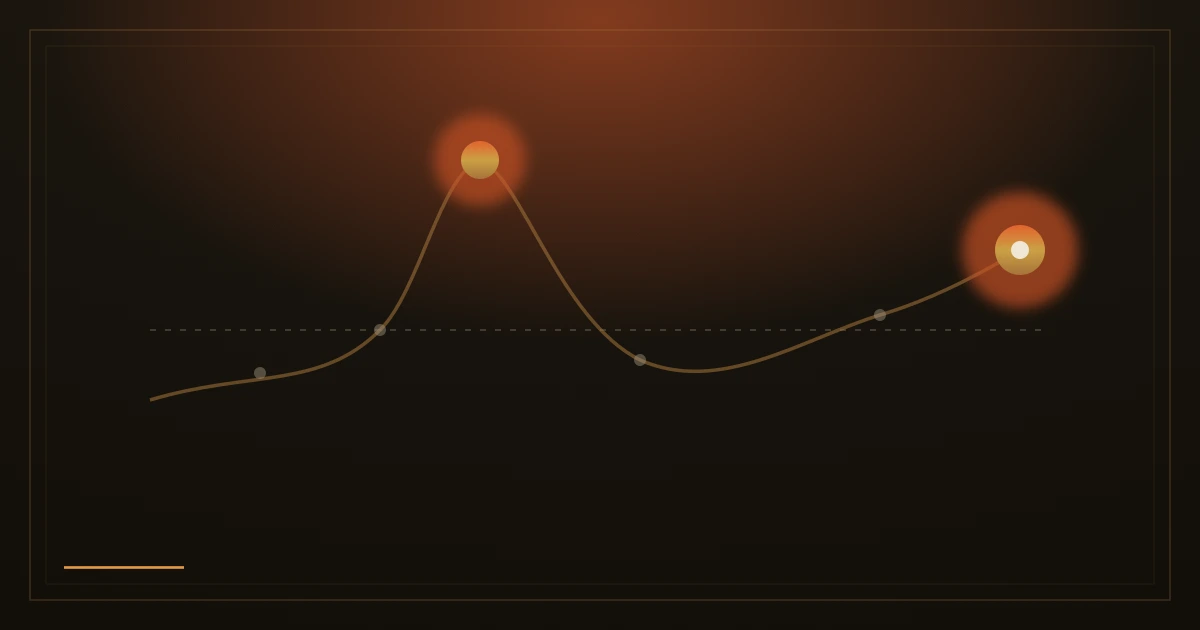
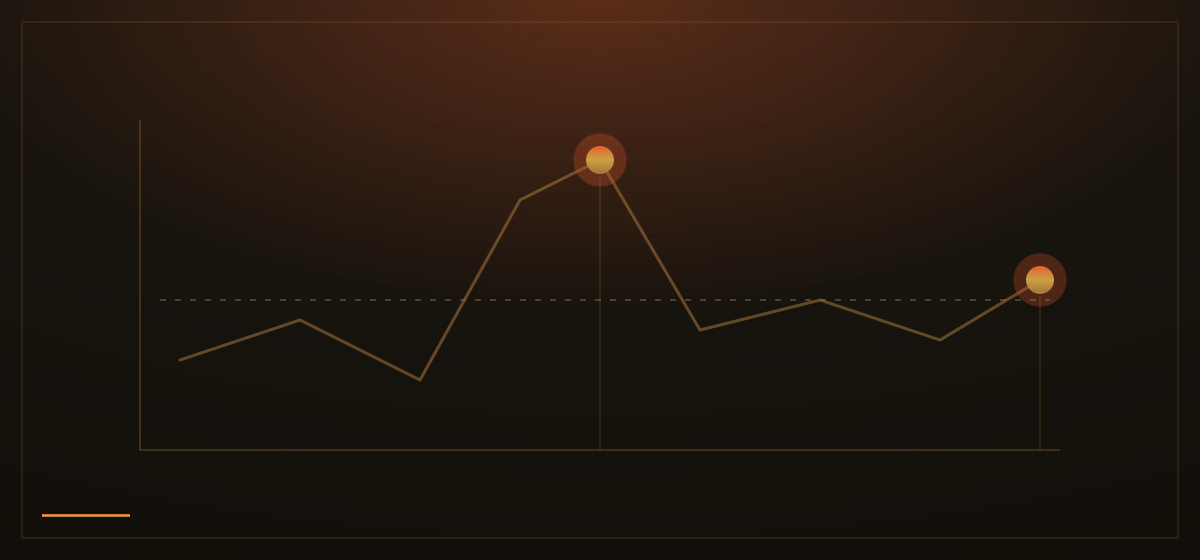
Three years later Kahneman and the physician Donald Redelmeier studied patients going through genuinely painful medical procedures. How a patient rated the experience afterwards had surprisingly little to do with how long it lasted. Two moments predicted the memory: the worst point and the final minutes. From this came the peak-end rule. We do not remember an experience as the average of every minute in it. We keep two snapshots, the most intense moment and the ending, and we judge the whole by those two.
Websites are experiences too, and they are remembered the same way. A visitor will not recall your site the way your statistics record it, page by page and second by second. They will keep the moment that felt worst and the moment it all ended, and everything in between will fade. That is uncomfortable news for anyone who has polished the middle of a site and left the last screen to chance.
So think about where the experiences on your site actually end. Someone fills in your contact form and presses send. What do they see next? On many sites, a grey line saying the form was submitted. That is the ending, and the ending is what they carry home. A warm, clear thank-you page that says what happens next, and when, costs nothing extra to build, yet it is the single part of the visit most likely to be remembered.
The negative peak needs the same care. On a website the most intense moment is almost always an error: the form that empties itself, the payment that fails without explanation, the message that scolds in technical language. These moments cannot always be prevented, but they can be softened. Say plainly what went wrong and what to do now. Never throw away what someone has typed. Never make it sound like their fault. A softened low point changes what the memory keeps.
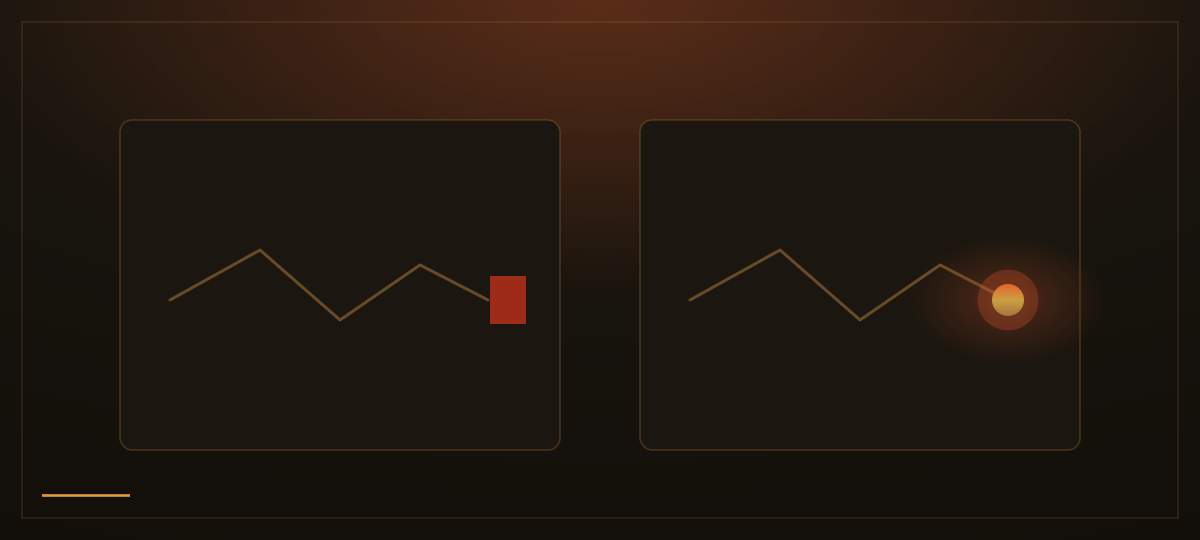
The cold water experiment holds one more lesson. The gentler ending did not shorten the discomfort; it was added on after it. Yet it changed the judgement of the whole. The same is true online. A visit with a slow page or a confusing moment in the middle can still be remembered warmly, if it closes well: a clear confirmation, a genuine thank you, a note that a real person will reply and by when.
How we apply this: we design the endings on purpose. Every form we build finishes on a page that thanks the visitor, says exactly what will happen next, and gives the reply time we promise. Every error message is written in plain words, keeps the visitor's work intact, and points to the next step. The middle of a site should work well, of course. But the peak and the ending are what it will be judged by.